Too Small to Certify? Five Beliefs Keeping American Small Shops Out of the Game
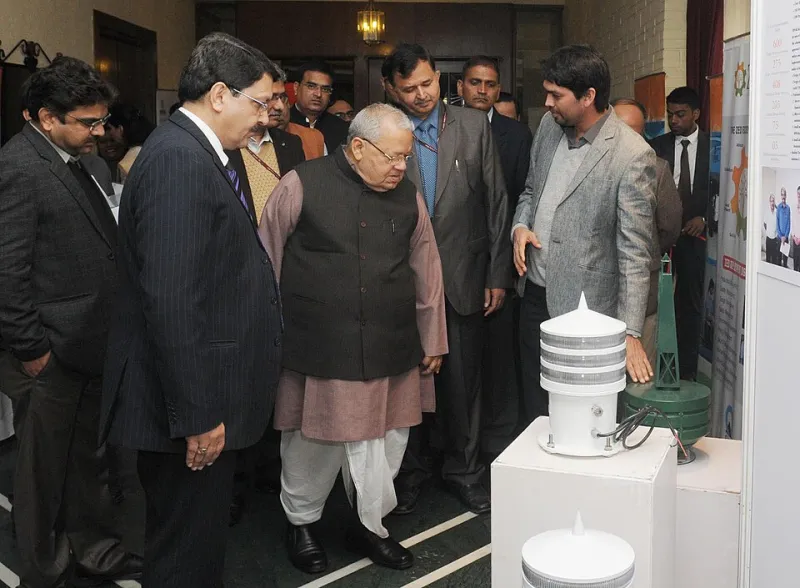
Photo: Ministry of Micro,Small & Medium Enterprises, Government of India, GODL-India, via Wikimedia Commons
The average US manufacturer displaced from a supplier list in the last five years did not lose the contract because of price or quality. It lost because a procurement team added a certification requirement and the shop could not check the box. Yet a remarkable share of small manufacturers still treat accredited certification as something that happens to larger companies. The barriers they cite are mostly inherited assumptions, not current facts.
Here are five of the most persistent myths, and what the evidence actually shows.
Myth 1: "We're Too Small to Certify"
The belief that certification requires an enterprise-scale quality department is perhaps two decades out of date. Registrars assess conformity, not headcount. A 25-person job shop can implement a lean quality management system with the same structure a 2,000-employee plant uses—simplified, but conformant.
Counterexample: A family-run injection molder with fewer than 30 employees earned ISO 9001 certification and subsequently won a position on a medical device supplier shortlist that had been closed to uncertified firms. The owner credits a part-time quality consultant and a disciplined document review cycle, not new hires.
First step: Map your existing processes against the standard's clause structure. Most small shops already do 60–70 percent of what is required informally; the project is documentation and consistency, not invention.
Myth 2: "Our Customers Don't Require It—Yet"
Waiting for a customer mandate is a strategy for entering negotiations with zero leverage. Buyer requirements have shifted decisively since the supply disruptions of 2020–2022; certification is increasingly a screening filter applied before a quoting opportunity ever reaches a small supplier.
Counterexample: A Midwest metal stamper that certified proactively was awarded work from an automotive tier-one buyer specifically because it was the only bidder in its region holding a current certificate. The buyer's sourcing portal filtered on it.
First step: Ask your top five customers whether certification is on their sourcing roadmap. Their answers will tell you your timeline better than any trade publication.
Myth 3: "It Means Overhauling Everything"
Small manufacturers often imagine consultants descending on the plant to rebuild every process from scratch. In practice, accredited certification assesses whether your defined processes are followed and improved. If your shop already runs on tribal knowledge that works, the project is capturing and stabilizing it—not replacing it.
First step: Document one process end to end this month—say, incoming inspection. That single exercise typically reveals most of what a full implementation will require.
Myth 4: "Certification Is a Cost With No Return"
The line item for registration and auditing is real, and it is what most owners see. What they miss is the cost of exclusion: RFQs never received, supplier portals never opened, insurance and financing conversations conducted from a weaker position. Frame certification as market access infrastructure and the math changes.
Counterexample: A contract fabricator in the Southeast calculated that a single retained customer—won on the strength of its certification—covered the full three-year registration cycle several times over.
First step: Total your three-year cost of certification, then total the annual revenue from your single smallest customer. Compare.
Myth 5: "We Can Get Certified Quickly When We Need To"
Perhaps the most expensive myth of all. Rushed implementations produce shallow documentation, failed Stage 1 audits, and re-audit fees. Worse, the discipline never takes root, so the certificate is fragile and the next cycle is painful.
First step: Build a twelve-month readiness roadmap with quarterly milestones: gap analysis, documentation, internal audit, management review, then the registration audit. Modest, consistent effort beats a scramble every time.
The Common Thread
Each myth shares the same underlying error: treating certification as a burden to be deferred rather than a capability to be built. Small manufacturers who retire these assumptions early enter every future sourcing conversation with an asset their uncertified competitors cannot match.